Trauma Therapy: A Gentle Revolution
A Quiet Night, A Loud Memory
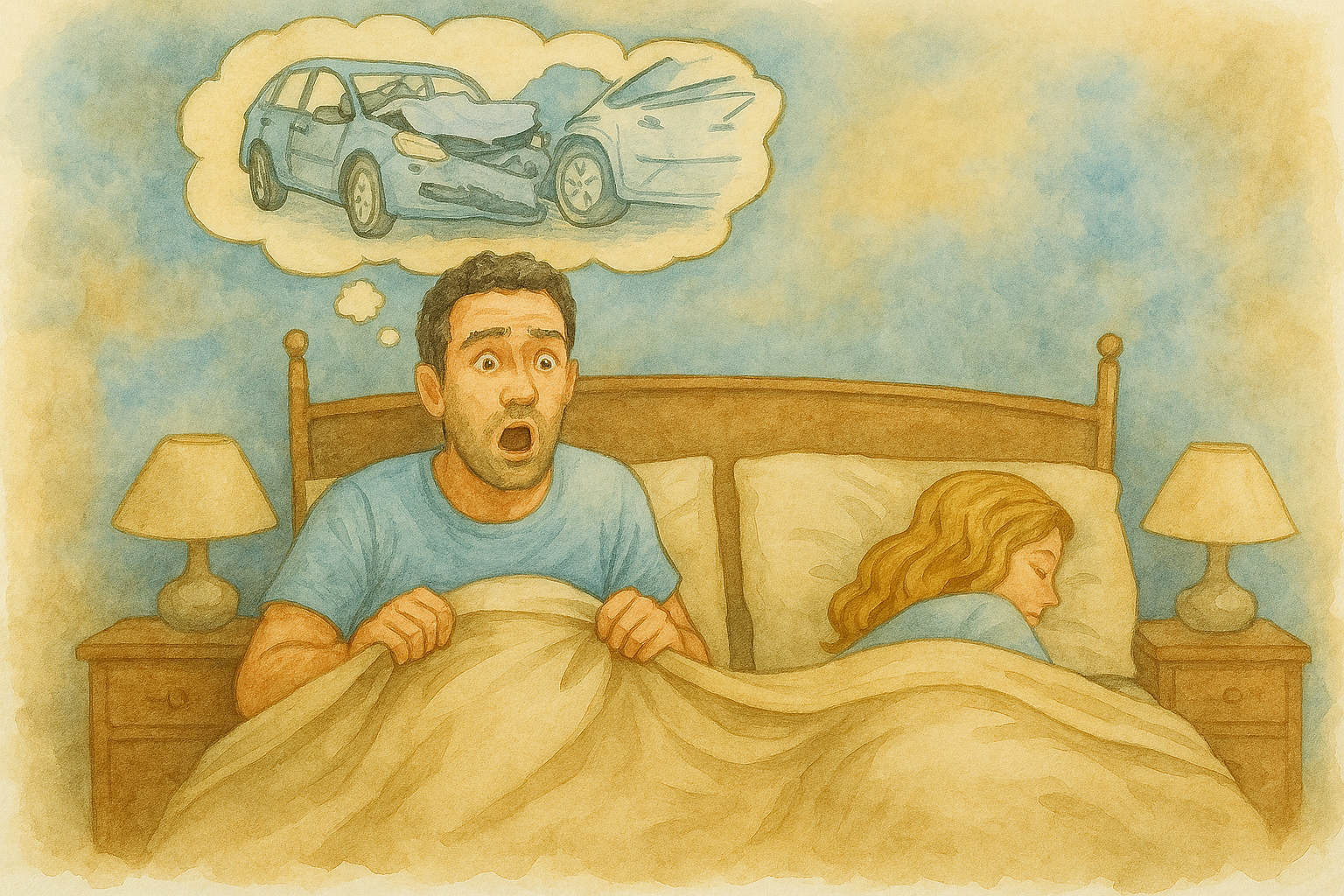
Dan hadn’t slept through the night in years. Every time he closed his eyes, the same scene played out: flashing lights, shattered glass, the sound of sirens. It had been over a decade since the accident, but his mind replayed it like a film stuck on loop. Therapy had helped a little, but the memories still felt raw—too vivid, too loud.
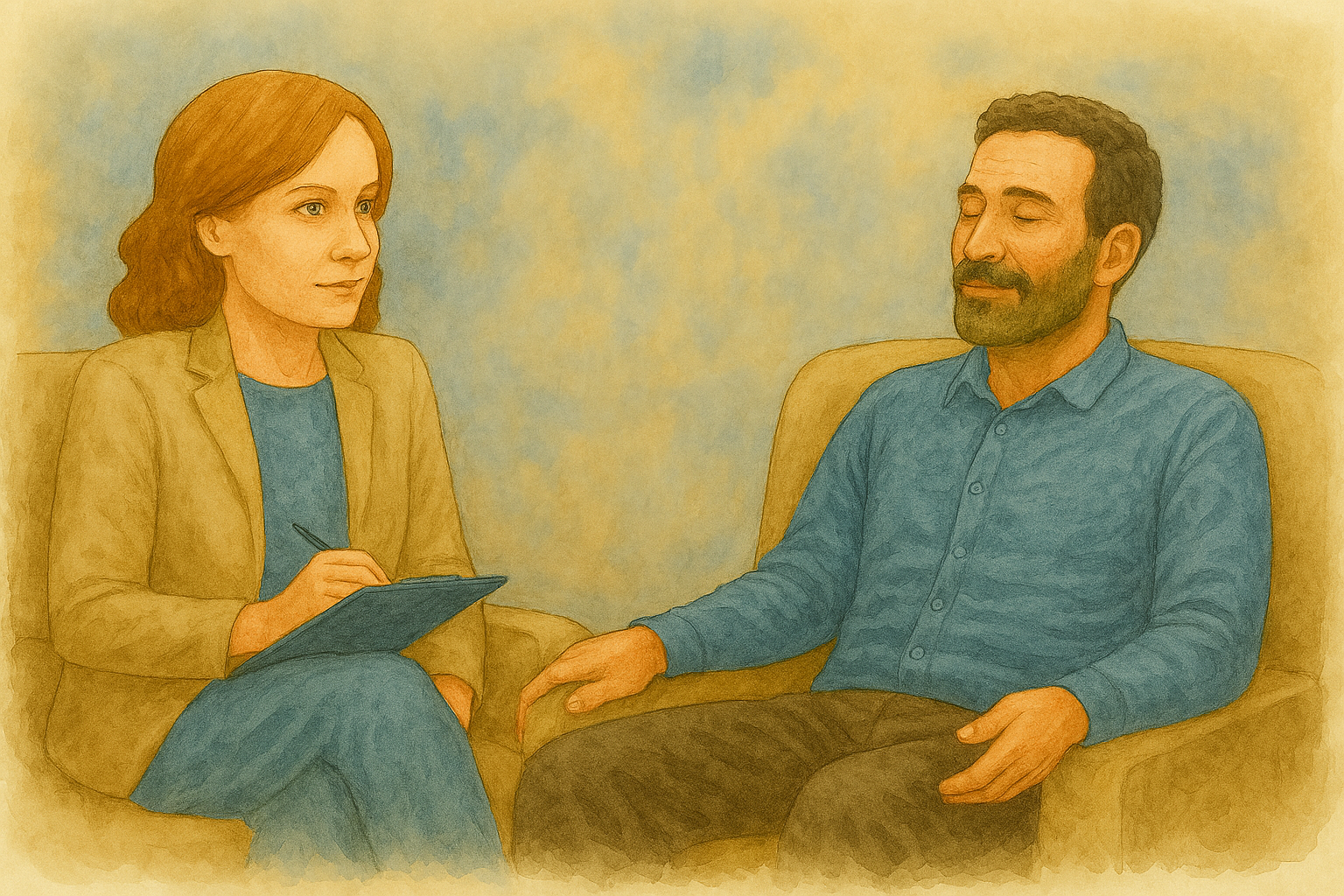
Then, one afternoon, his new therapist introduced something different. No retelling. No reliving. Just a quiet space, a relaxed breath, and a guided visualization. Sophie imagined watching the memory like a movie on a screen. Then she rewound it—again and again—until the emotional sting began to fade.
Weeks later, she found herself walking past the intersection where it all happened. Her heart didn’t race. Her breath stayed steady. For the first time, she felt like the past was truly behind her.
The Rewind Technique
In the world of trauma therapy, few methods have sparked as much quiet transformation as the Rewind Technique. Developed in the early 1990s, this approach offers a non-intrusive, fast, and effective way to help individuals process traumatic memories—without requiring them to relive the pain. As more therapists adopt it and research continues to validate its impact, the Rewind Technique is gaining recognition as a powerful tool in the trauma therapy arsenal.
Origins and development of the Rewind Technique for trauma therapy
The Rewind Technique was pioneered by Dr. David Muss, a British psychiatrist who sought a more humane and efficient way to treat post-traumatic stress disorder (PTSD). Traditional exposure therapies often required patients to recount traumatic events in vivid detail, which could be distressing and even retraumatizing. Muss envisioned a method that allowed the brain to reprocess traumatic memories without conscious re-experiencing.
The technique is based on the concept of memory reconsolidation—a neurological process where recalled memories can be modified before being stored again. During a Rewind session, the client is guided into a relaxed state and asked to visualize watching their traumatic memory as if it were a film. They then mentally “rewind” the film, often multiple times, which helps the brain reframe the memory and reduce its emotional intensity.
Who’s using the Rewind Technique for trauma therapy?
Originally developed for PTSD, the Rewind Technique has since been adopted by therapists, counselors, and trauma specialists across the globe. It’s used to treat a wide range of trauma-related conditions, including:
- Combat-related PTSD in veterans
- Childhood abuse and neglect
- Sexual assault survivors
- Abusive relationship survivors
- First responders and frontline workers
- Phobias and panic attacks
One compelling example comes from a study involving military veterans in the UK. Administered through Veterans’ NHS Wales, the technique was shown to significantly reduce symptoms of PTSD, depression, and insomnia after just a few sessions. Notably, none of the participants dropped out of treatment, and over half required no further therapy.
What does the research say about the Rewind Technique for trauma therapy?
While anecdotal success stories abound, the Rewind Technique has also been subjected to rigorous scientific scrutiny. A growing body of research supports its efficacy:
- A randomized controlled trial published in the Mediterranean Journal of Clinical Psychology found that the technique significantly reduced symptoms of intrusiveness and avoidance in survivors of violence.
- A thematic analysis of participants’ experiences revealed that many felt a profound sense of relief and improved quality of life after undergoing Rewind Therapy.
- A study conducted in Rwanda demonstrated its effectiveness in treating survivors of genocide, suggesting its cross-cultural applicability.
- The RETURN Study (NHS) explored how the technique facilitates memory reconsolidation, offering a neurological explanation for its success.
These findings are especially promising given the technique’s speed and simplicity. Unlike prolonged exposure therapies, which can take months, Rewind often yields results in just a few sessions. This makes it particularly valuable in resource-limited settings or for individuals who are reluctant to engage in traditional talk therapy.
Voices from the Field
Therapists who use the Rewind Technique often describe it as “magic”—not because it’s mysterious, but because of its elegant simplicity and profound impact. In my own experience I’ve worked with several diffrent cases. some examples:
A mother that lost a child – Became able to relax about her other children and reported “today would be the 15 birthday of my son. I have never felt so calm”.
A client hunted by a car accident that happened 10 years ago – after the Rewind, no anxiety when in the passagers sit anymore, no anger, no fear. In his words “I can enjoy the landscape!”.
A client who was terrified of dogs due to having been bitten by one as a child – the family has adopted a dog recently.
A veteran who used to feel anxious in crowded places such as city centres and supermarkets – “not even thinking about it now”.
A client who was extremly anxious about the news, especially war events, due to have watched the twin towers colapse during the 9/11, when she was 8 years old – finaly stoped checking the news every hour.
And many, many others.
Such stories are echoed by practitioners worldwide, who praise the technique for being:
- Non-invasive and respectful of the client’s boundaries
- Quick to administer, often requiring fewer sessions
- Effective across a wide range of traumas
The Road Ahead for trauma therapy
Despite its growing popularity, the Rewind Technique is still underutilized in many clinical settings. Advocates argue that more therapists should be trained in its use, and that further comparative studies should be conducted to benchmark its effectiveness against other trauma therapies.
As mental health professionals continue to seek treatments that are both compassionate and evidence-based, the Rewind Technique stands out as a beacon of hope. It offers a way to heal without harm, to remember without reliving, and to move forward without being held back by the past.
References:
Human Givens: The Rewind Technique – Effective Trauma Therapy Tool and A fast treatment for trauma and phobias – evidence supporting the rewind technique
Bandler, R (1985). Using Your Brain for a Change. Real People Press, Moab, UT.Muss, D (1991). A new technique for treating post-traumatic stress disorder. British Journal of Clinical Psychology, 30,1, 91–
Wright, L A, Kitchiner, N et al (2023). Rewind for posttraumatic stress disorder: a randomized controlled trial. Depression and Anxiety, doi: 10.1155/2023/6279649
Adams, S. (2017).
Human Givens Rewind treatment for PTSD and sub-threshold trauma: Systematic review and meta-analysis. University of Leicester (Doctoral thesis).
Available via Human Givens Institute summary:
https://www.humangivens.com/research/human-givens-rewind-treatment-for-ptsd-and-sub-threshold-trauma/ [humangivens.com]
Adams, S., & Allan, S. (2019).
Human givens rewind trauma treatment: Description and conceptualisation.
Mental Health Review Journal.
https://doi.org/10.1108/MHRJ-06-2018-0016 [researchgate.net]
Adams, S., Allan, S., Andrews, W., Guy, K., Timmins, J., & Barr, E. (2022).
Four practice-based preliminary studies on Human Givens Rewind treatment for posttraumatic stress in Great Britain.
F1000Research, 9, 1252.
https://f1000research.com/articles/9-1252 [f1000research.com]
Veterans NHS Wales (Cardiff & Vale University Health Board). (2025).
Study on the effectiveness of the Rewind Technique in military veterans.
Reported via Human Givens Institute:
https://www.humangivens.com/research/nhs-study-validates-rewind-technique/ [humangivens.com]
Health Research Authority (HRA).
RETURN Trial: Reconsolidation Using Rewind Technique (ongoing RCT).
https://www.hra.nhs.uk/planning-and-improving-research/application-summaries/research-summaries/return-reconsolidation-using-rewind/
A fast treatment for trauma and phobias – Evidence for the rewind technique.
https://www.hgi.org.uk/articles/evidence-for-the-rewind-technique/ [hgi.org.uk]
Human Givens Rewind treatment for PTSD and sub-threshold trauma (research summary).
https://www.humangivens.com/research/human-givens-rewind-treatment-for-ptsd-and-sub-threshold-trauma/ [humangivens.com]
Muss, D. (1991–present work).
The Rewind Technique for PTSD.
Developed within clinical trauma practice (UK).
International Association for Rewind Trauma Therapy (IARTT):
https://www.iartt.com/the-rewind/


Maria da Silva
Maria da Silva (PhD, DHP Acc Hyp) is a Cognitive Behavioural Hypnotherapist and a Trauma/Attachment Informed Coach, an expert in helping people understand and overcome their past conditioning and engage in meaningful and peaceful relationships through Nonviolent Communication.


