Hormones, mood and identity – “Who am I?”
Many women describe a monthly emotional pattern that feels like a betrayal by their own bodies. One week they feel grounded, capable, connected, and emotionally stable — and the next they feel overwhelmed, irritable, hopeless, or even suicidal. In therapy rooms across the world, women say things like:
- “I don’t recognise myself.”
- “I feel like a different person every month.”
- “My husband thinks I’m overreacting, but I can’t control it.”
- “I go from fine to suicidal in 48 hours.”
These experiences are not imaginary, dramatic, or “just hormones.” They are neurobiological events driven by predictable hormonal shifts that affect the brain, mood, stress response, and emotional regulation.
Understanding what happens in the female body across the menstrual cycle is not only validating — it gives women tools to protect their mental health and communicate more clearly with partners.
This article explains:
- How hormones influence mood
- What happens in each phase of the menstrual cycle
- Why the week before the period is the most emotionally vulnerable
- Why suicide attempts peak in this phase
- What women can do to feel better
- How to explain this to partners in a way they can understand
Why Hormonal Shifts Affect Women’s Mood
1. The Menstrual Cycle Is a Neurochemical Cycle
The menstrual cycle is not just a reproductive rhythm — it is a brain chemistry cycle. Estrogen, progesterone, and testosterone all interact with neurotransmitters like serotonin, dopamine, and GABA. These chemicals shape:
- Mood
- Motivation
- Stress tolerance
- Sleep
- Appetite
- Emotional regulation
- Energy levels
This means that hormonal shifts are brain shifts.
Research shows:
- Estrogen increases serotonin and dopamine, improving mood and emotional resilience.
- Progesterone and its metabolite allopregnanolone activate GABA receptors, producing calm and stability.
- When these hormones drop, the brain becomes more sensitive to stress and negative emotion.
This is why women can feel like different versions of themselves across the month.
The Four Phases of the Cycle and What They Mean for Mood
Winter: Menstruation (Days 1–5)
Hormones: Estrogen and progesterone are at their lowest.
Mood tendencies:
- Low energy
- Increased need for rest
- Emotional sensitivity
- Desire for quiet or solitude
Many women feel more inward, reflective, or tired. This is not depression — it is a biological low‑power mode.
Why: Low estrogen means lower serotonin. Low progesterone means less GABA‑mediated calm.
What helps:
- Rest
- Warmth
- Gentle movement
- Reduced demands
- Emotional softness toward oneself
- Receiving help
Spring: Follicular Phase (Days 6–14)
Hormones: Estrogen rises steadily.
Mood tendencies:
- Increased optimism
- Better focus
- Higher motivation
- More emotional resilience
- Greater confidence and motivation
This is often the “I feel like myself again” phase.
Why: Estrogen boosts serotonin and dopamine, improving mood, motivation, and stress tolerance.
What helps:
- Planning and performing demanding tasks
- Creative work
- Exercise
Summer: Ovulation (Days 14–20)
Hormones: Estrogen peaks; testosterone briefly rises.
Mood tendencies:
- High energy
- Sociability
- Confidence
- Libido increase
- Emotional stability
- Time for romance
This is often the most balanced, outward‑facing phase.
Why: High estrogen = high serotonin. Testosterone increases assertiveness and desire.
What helps:
- Communication with partners
- Social activities
- Physical activity
- Going on dates / holidays
- Sex / romance
Autumn: Luteal Phase (Days 20–28)
This is where the emotional landscape changes dramatically.
Early Luteal (Days 20–22)
Hormones: Progesterone rises; estrogen dips slightly. Mood tendencies:
- Calmness
- Desire for routine
- Slight irritability
- Lower stress tolerance
Progesterone’s calming effect can feel grounding — unless stress is high.

Late Luteal (Days 23–28)
This is the week before the period — the most emotionally vulnerable time.
Hormones:
- Progesterone drops sharply
- Estrogen drops
- Allopregnanolone (a calming neurosteroid) plummets
- Serotonin decreases
- Cortisol sensitivity increases
Mood tendencies:
- Irritability
- Anxiety
- Overwhelm
- Intrusive thoughts
- Hopelessness
- Emotional dysregulation
- Feeling “not myself”
- Suicidal thoughts in severe cases
This is the phase associated with PMS and PMDD (Premenstrual Dysphoric Disorder).
Why the Week Before the Period Can Feel Catastrophic
The late luteal phase is a neurochemical withdrawal state.
A. Progesterone and allopregnanolone crash
Allopregnanolone acts like a natural anti‑anxiety medication. When it drops suddenly, the brain becomes more reactive to stress.
Research shows that women with PMDD have increased sensitivity to this drop, not abnormal hormone levels.
B. Estrogen drops → serotonin drops
This affects mood, sleep, appetite, and emotional regulation.
C. The amygdala becomes more reactive
Brain imaging studies show increased amygdala activation in the late luteal phase — meaning the brain is more sensitive to threat, criticism, and stress.
D. The prefrontal cortex becomes less effective
This is the part of the brain responsible for logic, planning, and emotional regulation. During the late luteal phase, it becomes less active.
E. Stress hits harder
Cortisol sensitivity increases, meaning the same stressor feels bigger.
F. Suicide risk increases
Multiple studies show that suicide attempts peak in the late luteal phase. This is not because women are unstable — it is because the brain is in a temporary neurochemical vulnerability window.
Identity and hormones
Many women describe a sense of identity fragmentation:
- “I’m two different people.”
- “I can’t trust my own mind.”
- “My husband thinks I’m exaggerating.”
This is not psychological weakness — it is state‑dependent identity.
When estrogen and progesterone are high, the brain has access to emotional regulation, optimism, and resilience. When they drop, the brain shifts into a different operating mode.
This is not a character flaw. It is biology.
What Women Can Do to Feel Better in the Week Before the Period
These are science‑supported strategies that reduce symptoms without giving medical directives.
1. Reduce stress load intentionally
The late luteal brain is more sensitive to stress. Reducing demands is not indulgent — it is protective.
Examples:
- Say no to optional commitments
- Reduce social load
- Avoid conflict discussions
- Simplify routines
- Avoid important decisions
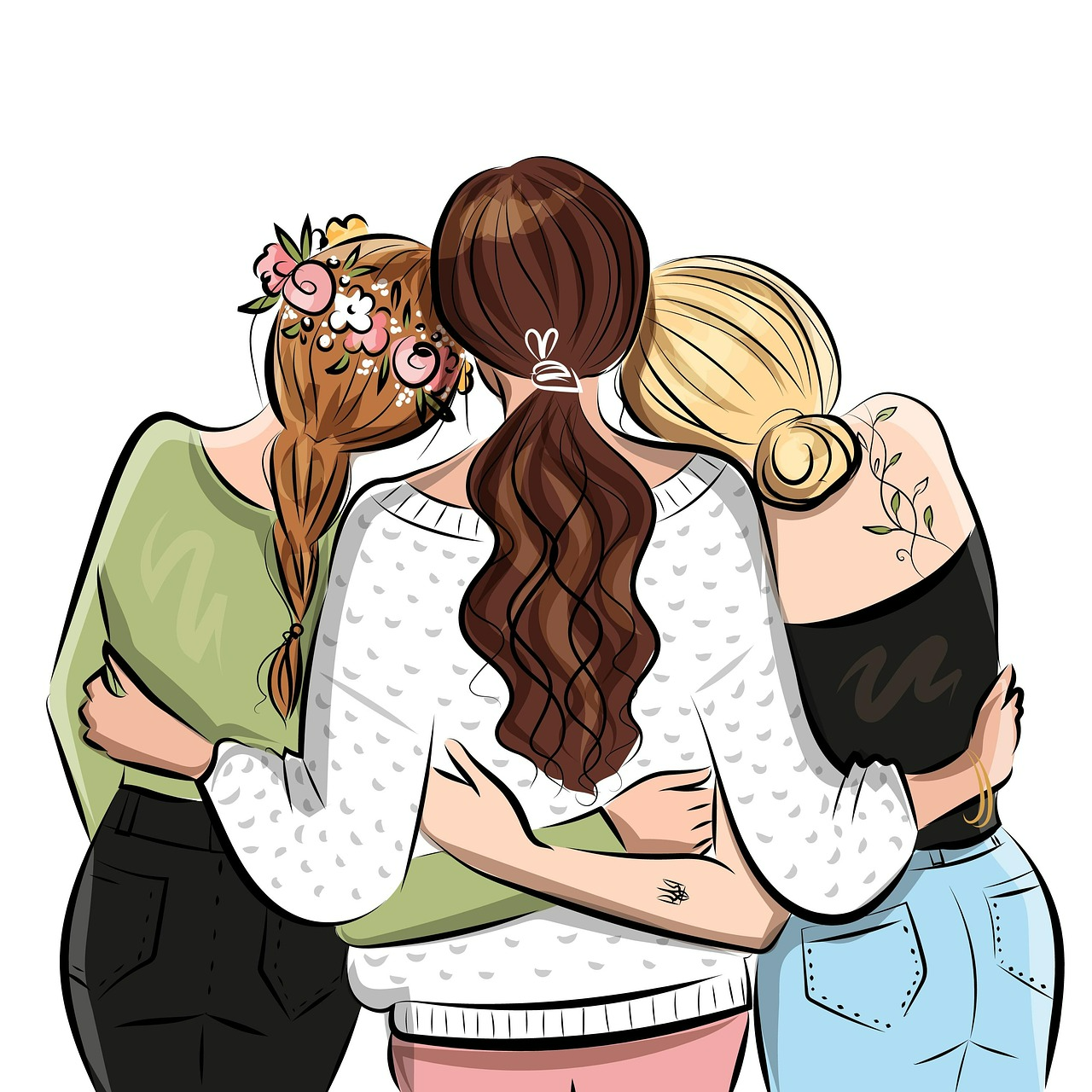
- Talk to other women you trust
2. Prioritise sleep
Poor sleep worsens luteal‑phase mood symptoms. Sleep is one of the strongest regulators of emotional stability.
3. Gentle exercise
Research shows that moderate exercise reduces PMS symptoms and improves mood.
Examples:
- Walking
- Yoga
- Swimming
- Light strength training
4. Eat for blood sugar stability
Blood sugar spikes worsen irritability and anxiety.
Helpful patterns:
- Protein at each meal
- High‑fibre foods
- Minimising ultra‑processed foods
5. Track your cycle
Awareness reduces fear. When women know “this is the luteal phase,” they interpret symptoms differently.
6. Reduce conflict exposure
The late luteal brain is more reactive. This is not the time for relationship problem‑solving.
7. Build a “luteal phase plan”
Examples:
- More rest
- Differ important decisions
- Lower expectations
- More comfort
- More support from other women
8. Seek professional support if symptoms are severe
If a woman experiences:
- Suicidal thoughts
- Extreme mood swings
- Impaired functioning
…it is important to speak with a healthcare professional. PMDD is real, treatable, and not a personal failure.
6. How to Explain This to Partners
Many women struggle to communicate this to husbands or partners. Here is a simple, science‑based explanation:
“My hormones change my brain chemistry across the month. The week before my period, the chemicals that help me stay calm and regulate emotions drop sharply. It’s not a choice — it’s a neurobiological shift. I need more support, less conflict, and more patience during that time. I am going to need more validation and reassurance and help. It’s temporary, predictable, and not a reflection of how I feel about you.”
Partners often respond better when they understand this is physiology, not personality.
Highly Sensitive People and hormones
Highly Sensitive People (HSP women) do tend to suffer more during the luteal phase because their nervous systems react more strongly to internal changes — including hormonal shifts.
It’s the same trait that makes them attuned to subtle sounds, micro‑expressions, textures, and emotional cues. Their nervous system also picks up internal physiological changes more intensely.
This is not pathology — it’s trait‑based reactivity.
It’s not weakness.
It’s not “being dramatic.”
It’s the interaction between:
- a finely tuned nervous system
and - a hormonally turbulent phase.
Final Thoughts
When women understand their cycle, they stop feeling “crazy.” When partners understand it, relationships become safer and more supportive. And when society understands it, women stop being dismissed and start being taken seriously.
Women are not “too emotional.” They are living inside a body that undergoes profound neurochemical shifts every month — shifts that affect mood, stress tolerance, and emotional regulation.
Understanding these patterns is not about blaming hormones. It is about reclaiming agency, reducing shame, and giving women the tools to protect their mental health.



Maria da Silva
Maria da Silva (PhD, DHP Acc Hyp) is a Cognitive Behavioural Hypnotherapist and a Trauma/Attachment Informed Coach, an expert in helping people understand and overcome their past conditioning and engage in meaningful and peaceful relationships through Nonviolent Communication.