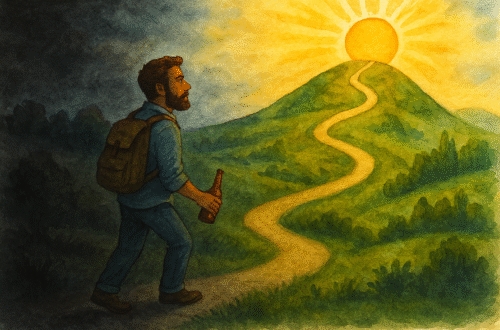
Breaking Free from Alcohol
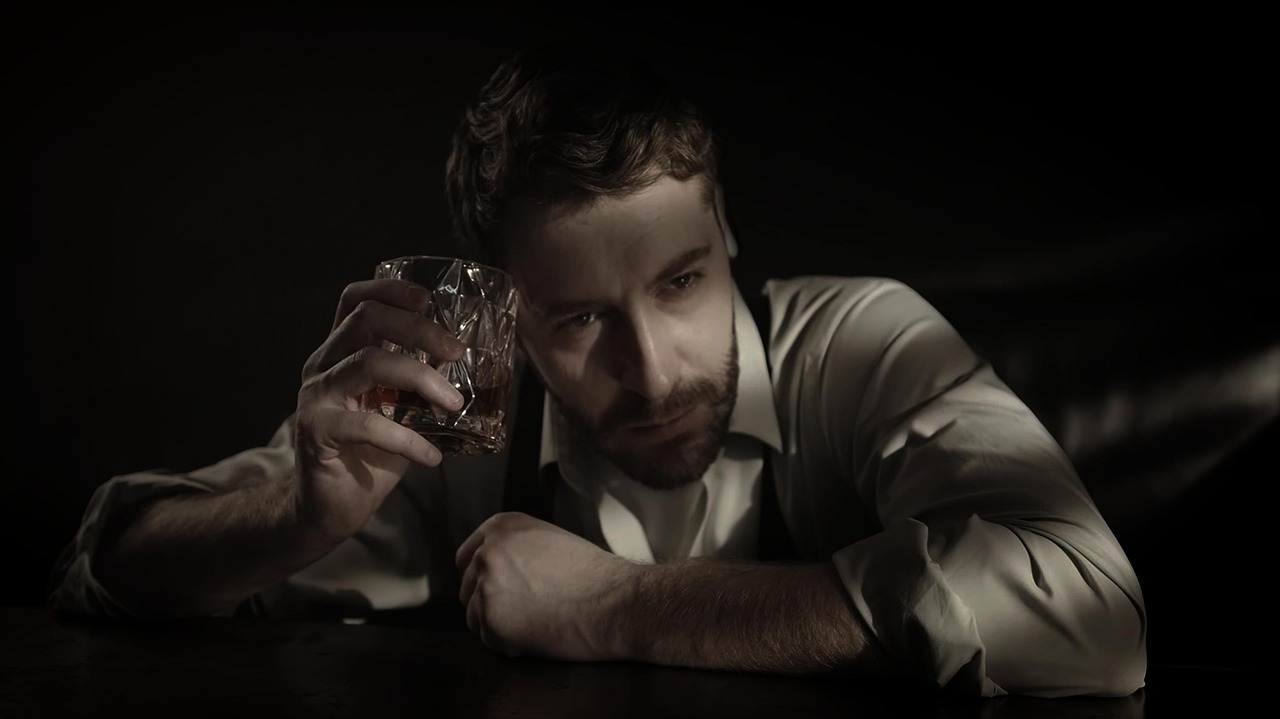
Alcohol consumption is one of the most socially accepted habits in modern society, yet it’s also one of the most misunderstood. For many, drinking starts as a casual indulgence and gradually becomes a routine—one that’s hard to break. But what if the urge to drink isn’t truly an addiction, but a subconscious habit? And what if you could reprogram that habit using the power of your mind?
The Emotional Roots of Drinking
Alcohol is often used as an emotional anaesthetic. People drink not just for pleasure, but to numb pain, escape stress, or cope with unresolved trauma. In therapy, it’s common to find that excessive drinking is linked to emotional wounds. Understanding these roots is essential—because if you don’t address the underlying cause, the habit will persist.
The Three Types of Drinkers
Most people fall into one of three categories:
- The fortunate few who can take or leave alcohol and stay within healthy limits.
- The majority who regularly exceed guidelines and struggle to moderate.
- The unfortunate minority whose drinking is out of control and destructive.
What separates these groups isn’t just willpower—it’s often a subconscious lack of self-love. When we don’t value ourselves, our instinct for self-care weakens, making it easier to fall into harmful patterns.
Alcohol: The Toxic Truth
Despite its popularity, alcohol is a toxin. Even diluted, it damages the body and increases the risk of:

- Cancer (mouth, throat, liver)
- Heart disease and strokes
- Liver cirrhosis
- Nerve damage and memory loss
- Depression, weight gain, and diabetes
It also contributes to social issues like violence, family breakdowns, and homelessness.
The illusion that alcohol helps us relax or have fun is just that—an illusion. The stress it “relieves” is often caused by the craving itself, and the fun is usually tied to the event, not the drink.
The Subconscious Mind and Alcohol
Most people don’t enjoy the taste of alcohol when they first try it. The body instinctively rejects it. But through repeated exposure—often driven by peer pressure or the desire to appear “grown-up”—we override this instinct. Eventually, the subconscious adapts, changing our perception of alcohol from unpleasant to palatable.
This reprogramming leads to increased tolerance, which in turn leads to increased consumption. The subconscious begins to believe that alcohol is necessary, creating a compulsion that feels like addiction but is often just a deeply ingrained habit.
Addiction vs. Habit
So, is alcohol consumption an addiction or a habit? For most people, it’s a habit. Unlike heroin addiction, which involves intense cravings and withdrawal symptoms, alcohol habits are triggered by routine and environment. If you don’t crave alcohol in the middle of the night or feel compelled to drink in extreme circumstances, it’s likely a habit.
However, if you experience withdrawal symptoms—tremors, hallucinations, depression—when you stop drinking, medical attention is essential. For the majority, though, the challenge is breaking a subconscious routine, not battling a chemical dependency.
Hypnotherapy: Rewiring the Mind

This is where hypnotherapy becomes a powerful ally. Hypnotherapy works by accessing the subconscious mind—the part responsible for automated behaviours and emotional responses. Through guided relaxation and suggestion, hypnotherapy helps you:
- Identify and release emotional triggers that lead to drinking
- Reframe your beliefs about alcohol and its role in your life
- Strengthen self-love and self-care instincts
- Visualize and reinforce healthier habits
Unlike willpower alone, which relies on conscious effort, hypnotherapy works at the root level—where habits are formed and maintained. It helps you rewrite the internal script that says “I need alcohol to cope” into “I am strong, capable, and free without it.”
Many people report that after just a few sessions, their cravings diminish, their confidence grows, and their relationship with alcohol changes dramatically.
Breaking the Habit: Practical Steps
Recognizing alcohol consumption as a habit is empowering. Habits can be broken or replaced. Strategies include:
- Tracking and reducing intake gradually
- Choosing alcohol-free days and sticking to them
- Avoiding triggers and replacing rituals with healthier alternatives
- Visualizing the benefits of sobriety
- Seeking support from friends and professionals
- Using hypnotherapy to reinforce new beliefs and behaviours
Imagination and visualization are powerful tools. Picture yourself healthy, clear-headed, and proud. Use guided imagery or hypnosis to reinforce your goals.
Social Dynamics and Staying Strong
When you quit drinking, reactions will vary. True friends and family will support you, while drinking buddies may feel threatened. Their discomfort often stems from their own unresolved habits. Stay firm, avoid judgment, and protect your progress.
The Slippery Slope
One final warning: success in quitting does not mean you’ve mastered alcohol. Returning to “moderate” drinking often leads back down the slippery slope. The safest path is complete abstinence. Once you’re on the level path, stay there.
Final Thoughts
Alcohol may be socially accepted, but that doesn’t make it harmless. If you’re ready to break free, know that you’re not alone—and that change is possible. Whether you choose to stop immediately or gradually, the key is to understand the subconscious forces at play and use tools like hypnotherapy to reprogram your mind for health, clarity, and self-respect.
You deserve a life that’s vibrant, joyful, and free from toxic habits. And with the right mindset and support, you can achieve it.




Maria da Silva
Maria da Silva (PhD, DHP Acc Hyp) is a Cognitive Behavioural Hypnotherapist and a Trauma/Attachment Informed Coach, an expert in helping people understand and overcome their past conditioning and engage in meaningful and peaceful relationships through Nonviolent Communication.